
Best Polycarbonate for Storm Windows and Patio Enclosures
Canadian winters and the storms that come with them put a lot of stress on anything glazing an opening — windows, patio covers, pool enclosures, porch panels. Standard glass cracks under hail and flying debris, and even tempered glass can be overkill in weight and cost for a seasonal or semi-permanent structure. This is where polycarbonate earns its reputation as the practical choice for storm-rated glazing.
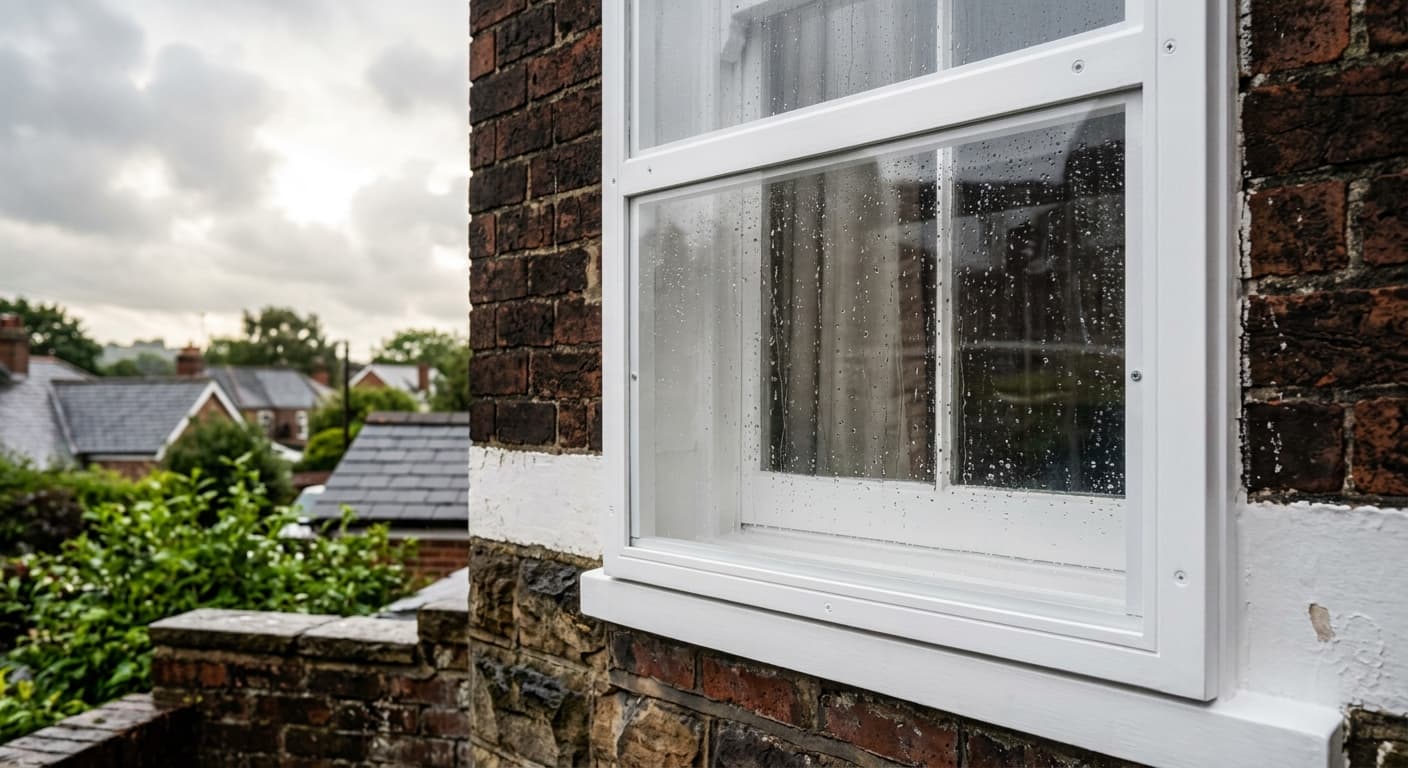
Why Polycarbonate for Storm Applications
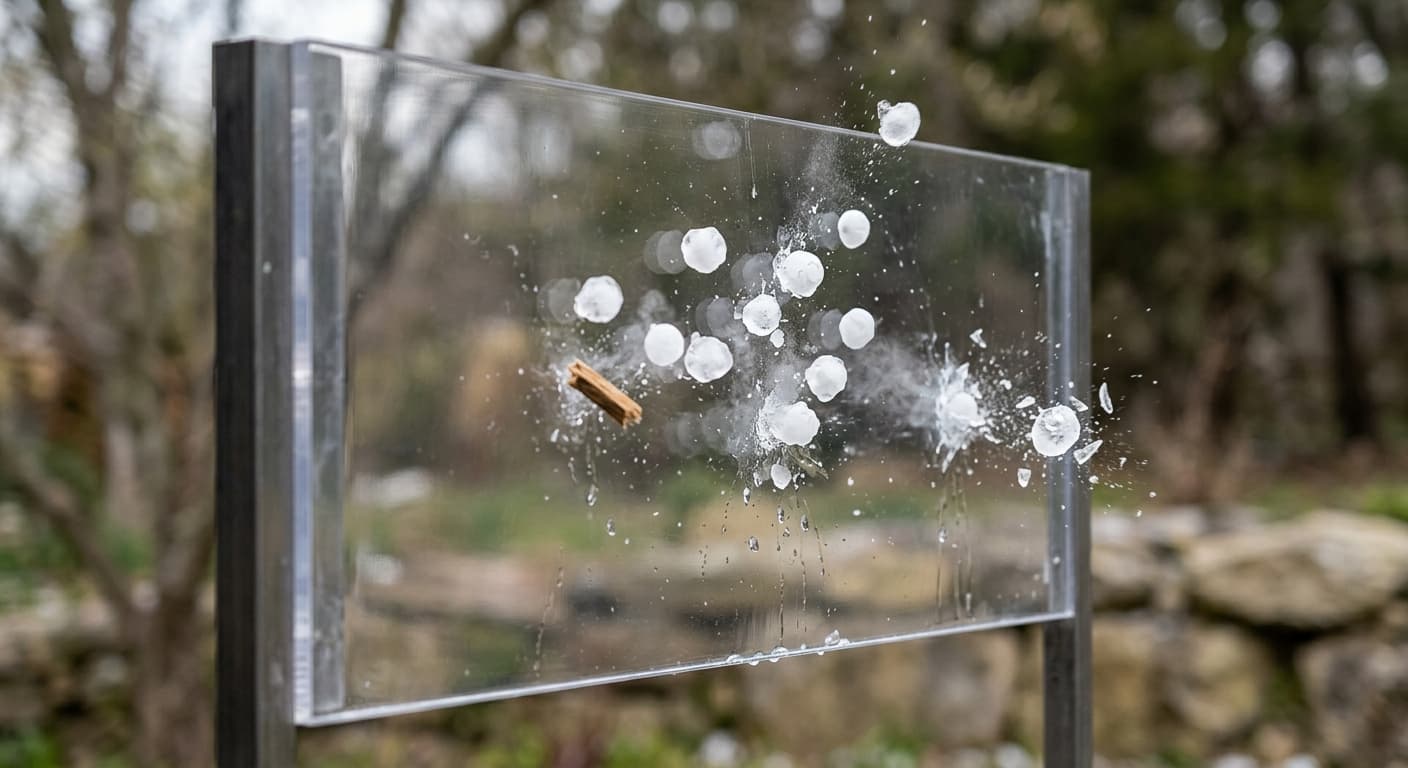
Impact resistance is the whole point. Polycarbonate is roughly 200 times more impact-resistant than glass of the same thickness. Where a wind-driven branch or hail can shatter a glass pane on impact, polycarbonate flexes and absorbs the hit — this is the same property that makes it the standard for riot shields and machine guarding, applied to your patio or storm window.
It's a fraction of the weight. A polycarbonate panel weighs significantly less than an equivalent glass pane, which matters for DIY installs, older window frames not rated for heavy glazing, and any structure where reducing structural load is a priority (like a patio enclosure roof).
It handles temperature swings. Polycarbonate tolerates the freeze-thaw cycles typical of a Canadian winter better than acrylic, which can become more brittle in extreme cold and is more prone to cracking under sudden impact at low temperatures.
Choosing the Right Thickness and Type
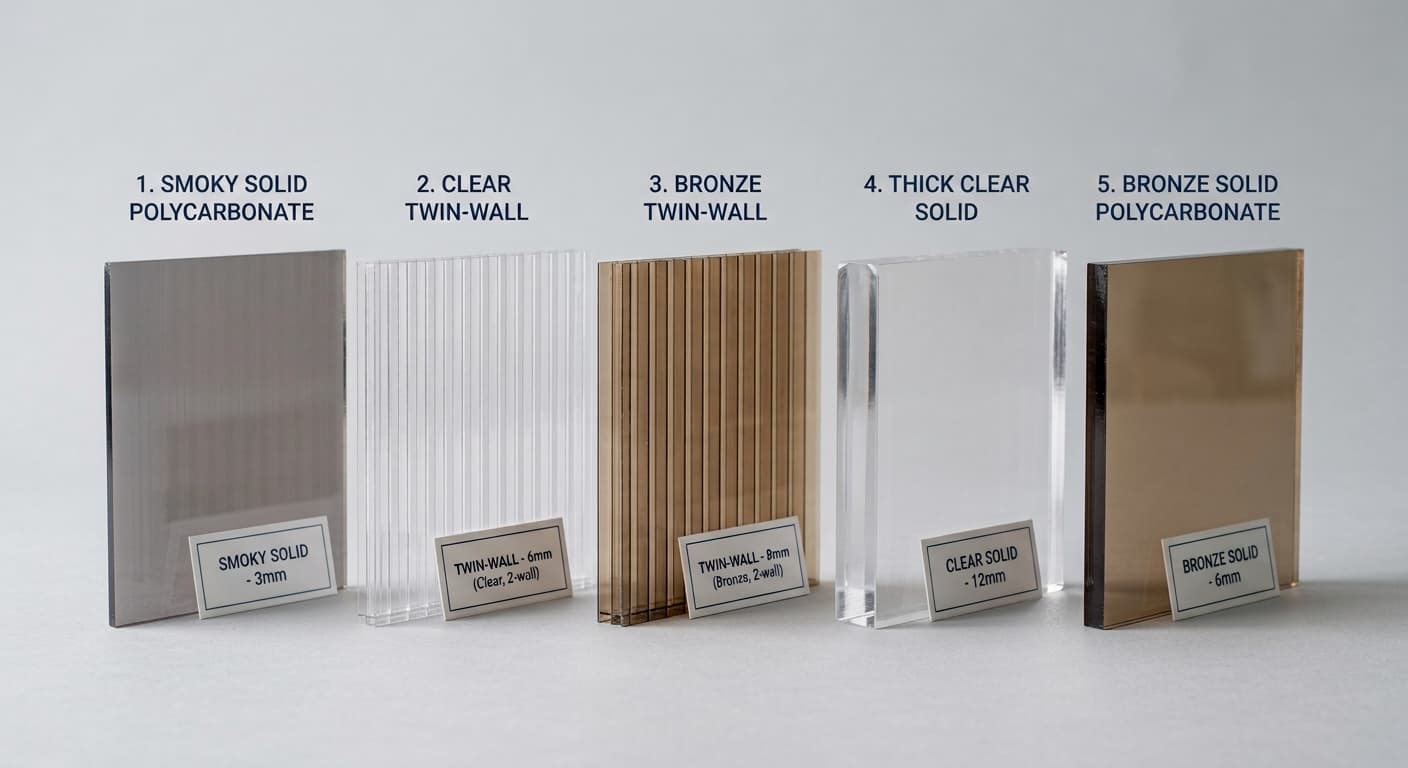
| Application | Recommended Type | Typical Thickness |
|---|---|---|
| Storm windows (residential) | Solid, UV-coated clear polycarbonate | 3mm – 6mm |
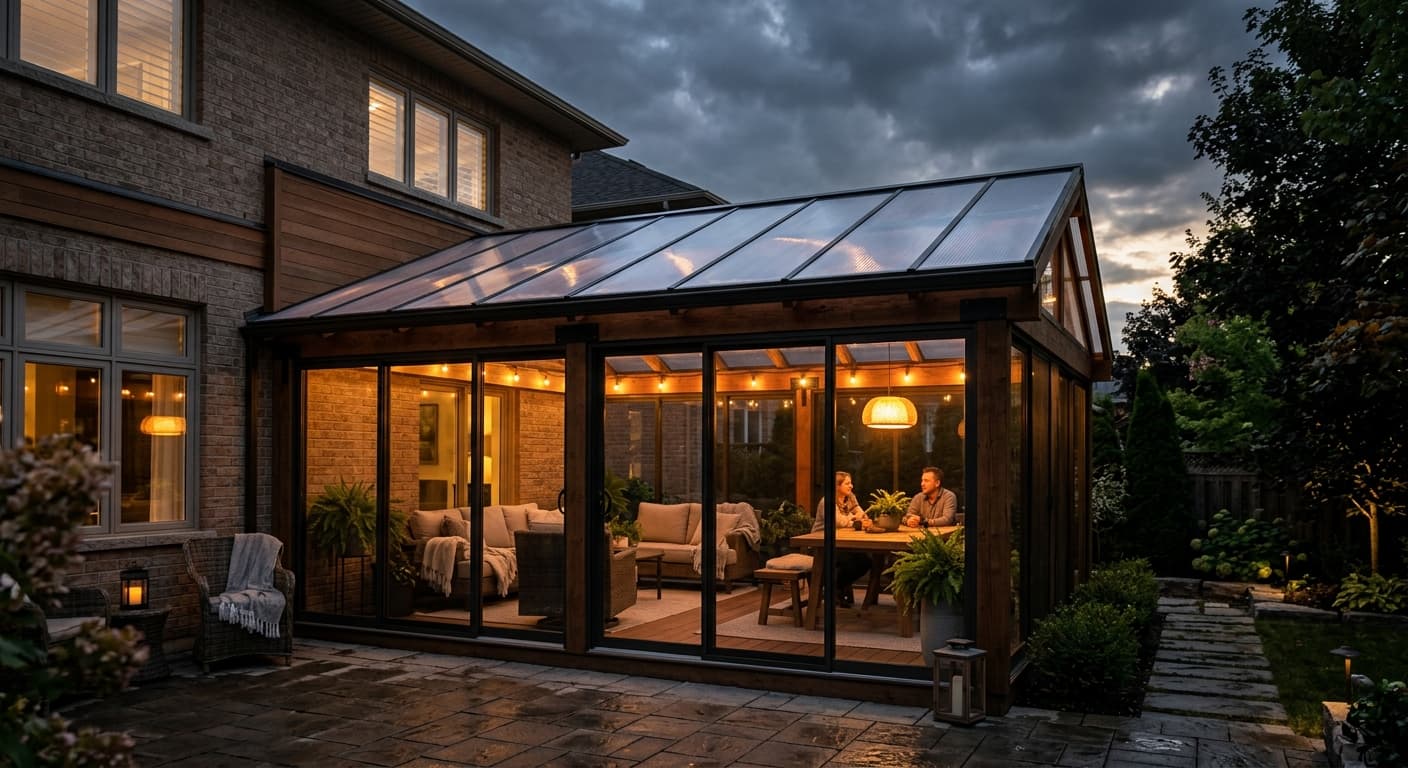
| Patio/porch enclosure panels | Solid or twin-wall polycarbonate | 6mm – 10mm |
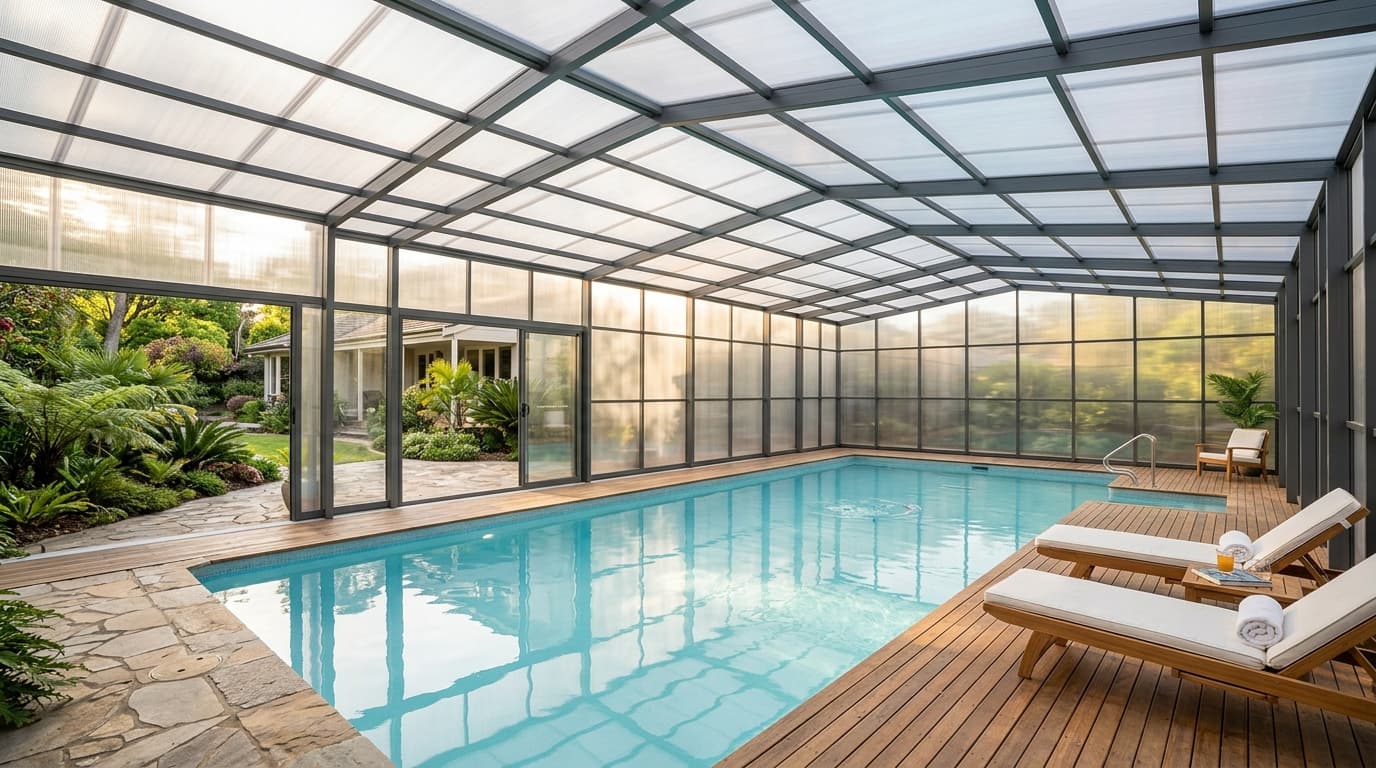
| Pool enclosures | Twin-wall or multi-wall polycarbonate | 10mm – 16mm |
| High-wind / storm-rated glazing | Solid polycarbonate, thicker gauge | 6mm+ |
Solid sheet gives you maximum clarity and the closest look to glass. Twin-wall and multi-wall panels trade a bit of optical clarity for added insulation and rigidity — worth it for larger enclosed spaces like a patio or pool cover where you're also managing heat retention.
UV Coating Matters More Outdoors
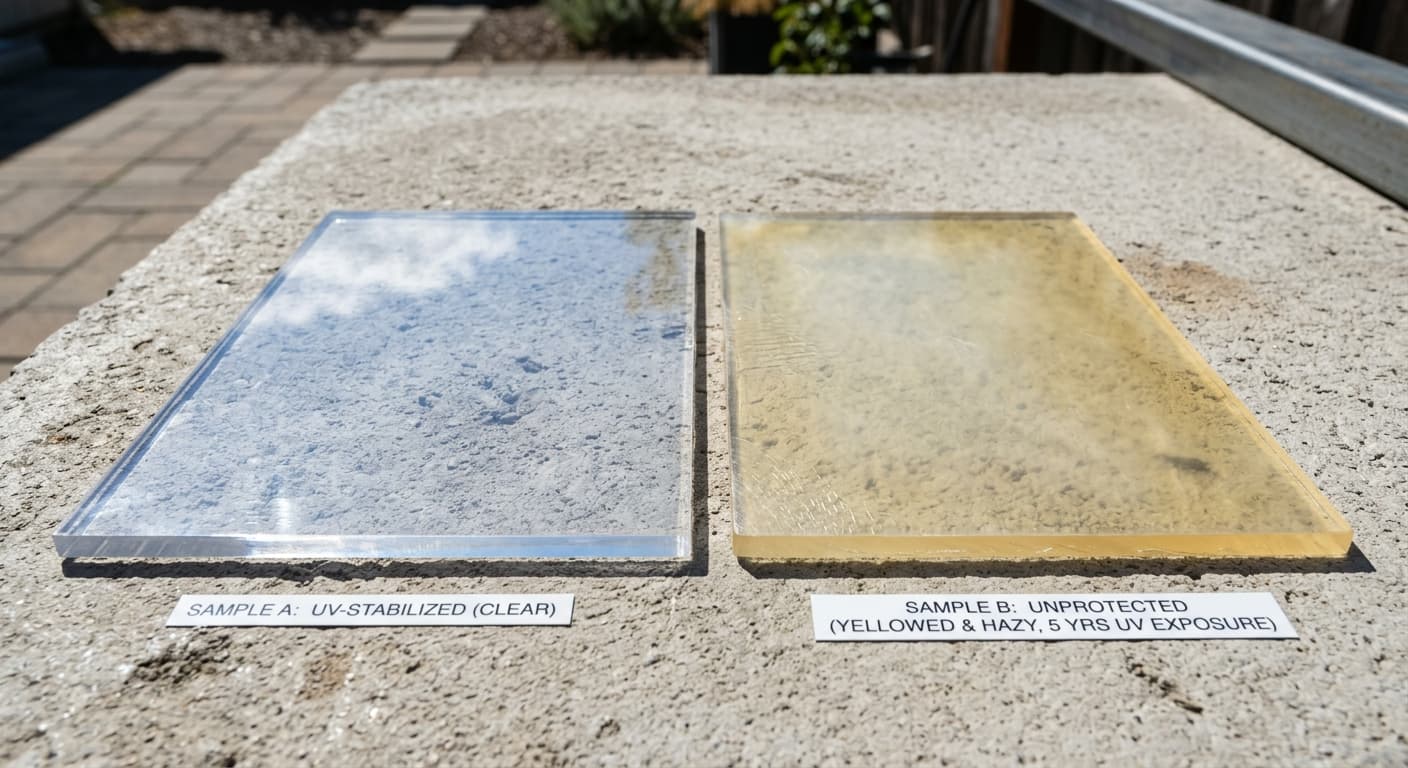
Any polycarbonate glazing exposed to direct sun year-round should be UV-coated on at least one side. Uncoated polycarbonate can yellow and lose some impact strength over years of UV exposure — a coated sheet holds its clarity and strength far longer, which matters for something you're installing once and expecting to last through multiple storm seasons.
Installation Notes for Storm Applications
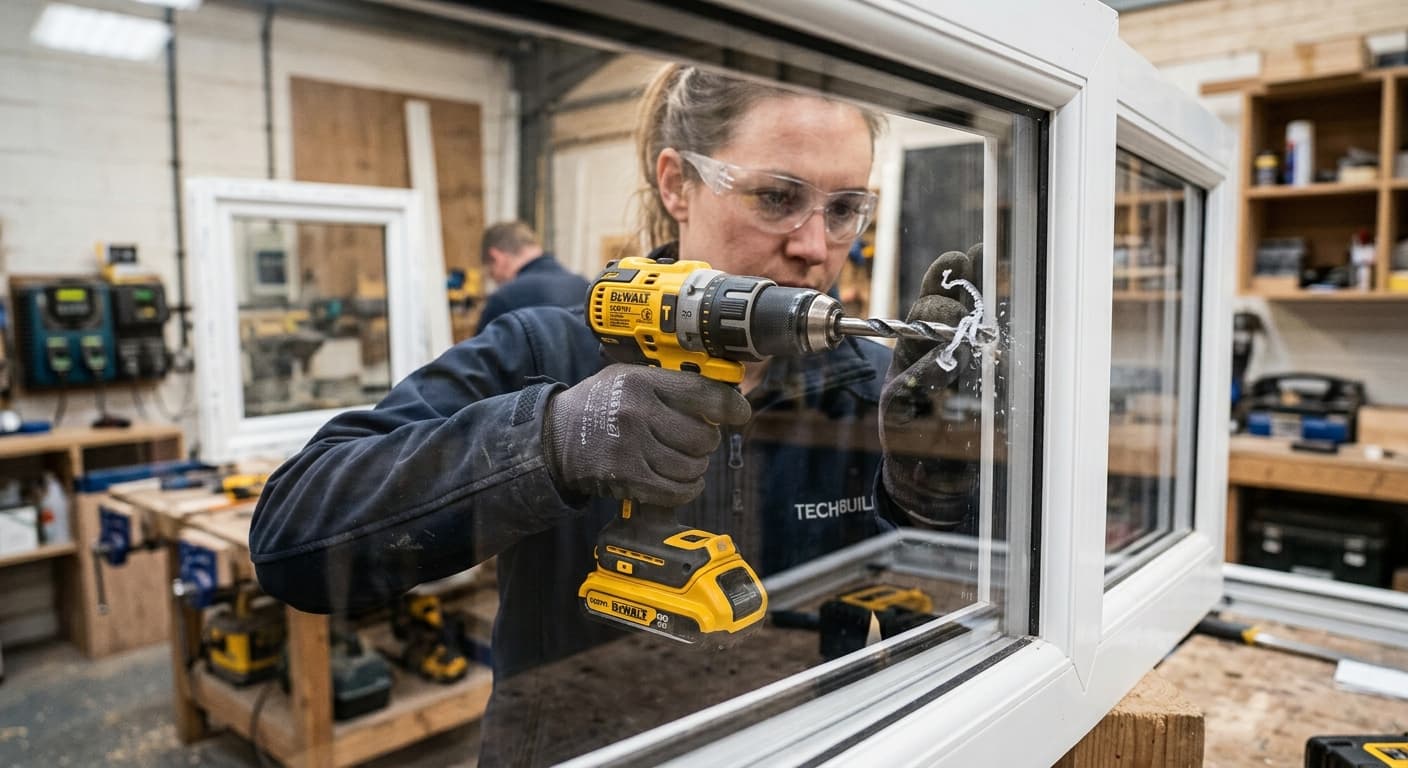
- Leave room for thermal expansion. Polycarbonate expands and contracts more than glass with temperature swings — undersized mounting holes or a too-tight frame fit can cause cracking as the seasons change. Drill mounting holes oversized and use frame systems designed for polycarbonate, not glass-spec hardware.
- Seal the edges properly, especially on twin-wall panels — unsealed channel ends can let moisture and debris in, which affects both clarity and structural integrity over time.
- Match panel thickness to the span. A wider unsupported span needs a thicker panel or additional framing support to resist wind load without excessive flexing.
For the actual cutting and drilling technique — bit selection, feed rate, and how to avoid stress cracks around fastener holes — see our guide to cutting, bending, and drilling polycarbonate.
Getting Panels Cut for Your Frame
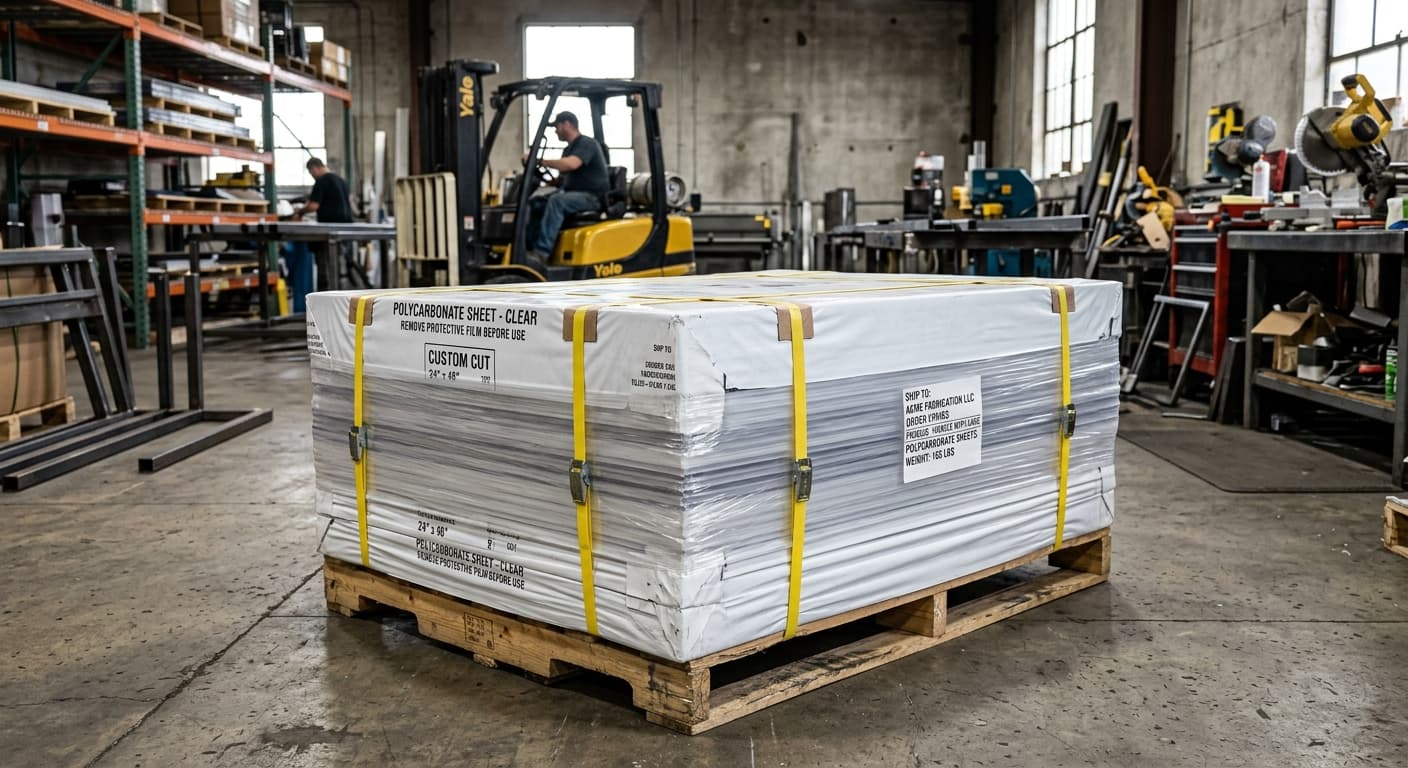
Storm windows and patio enclosures almost always need custom sizing to fit an existing frame or opening. Our cut-to-size calculator gives you an instant quote on solid or twin-wall polycarbonate sized to your exact dimensions, with shipping included — no need to trim a stock sheet on-site.
Not sure which thickness or type fits your specific opening? Reach out and we'll help you spec it before you order.