
Polycarbonate vs Acrylic: Which One Should You Use?
If you're choosing between Poly-Sky polycarbonate and acrylic sheet for a project, the honest answer is: it depends entirely on what you're building.
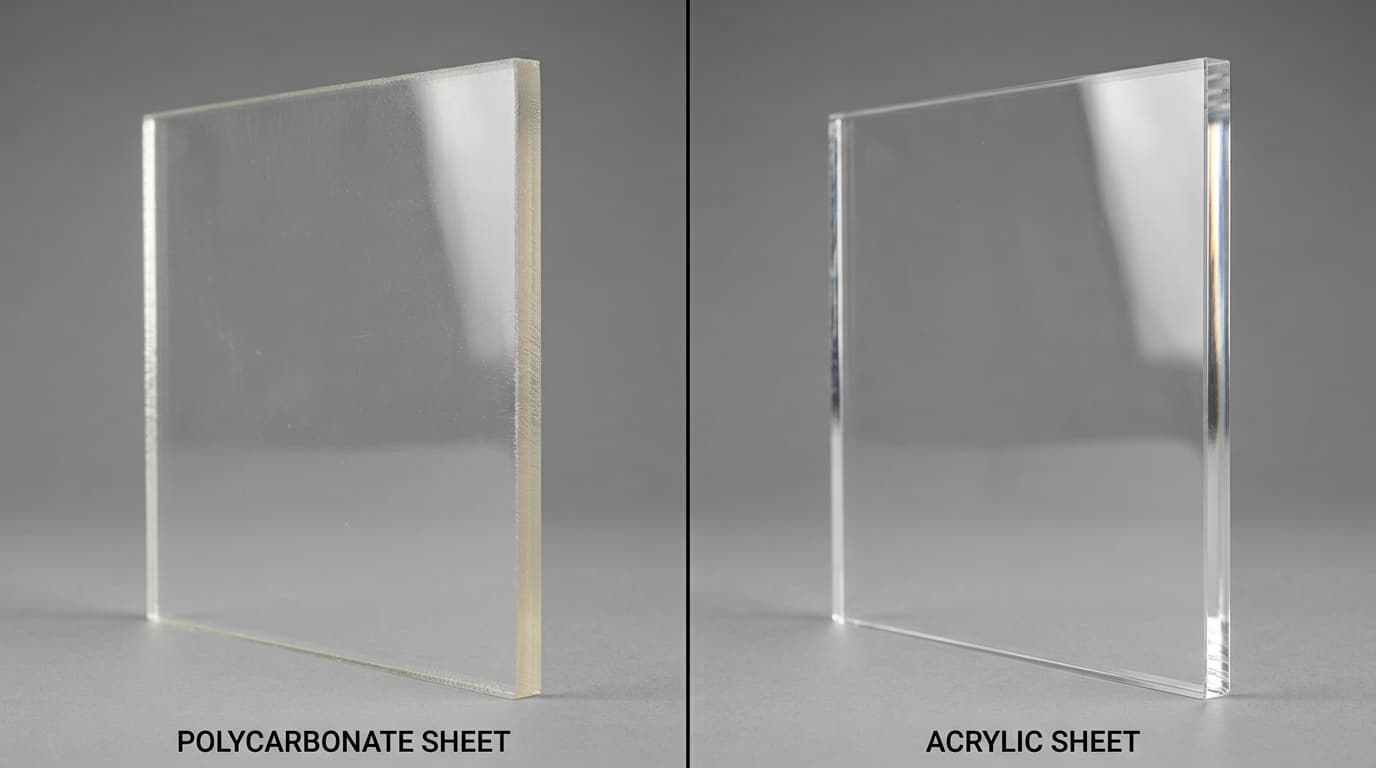
Both are clear, rigid plastics that get compared constantly — but they behave very differently once you factor in impact, weather, cost, and finish quality. Below is a breakdown by the situations we get asked about most, plus a straight comparison table you can bookmark.
The Quick Answer
- Choose polycarbonate (like Poly-Sky) when impact resistance, safety, or outdoor durability matters — greenhouses, storm protection, machine guards, skylights.
- Choose acrylic when optical clarity and a premium finish matter more than impact strength — display cases, signage, picture framing, aquariums.
By Use Case
Greenhouses & Cold Frames
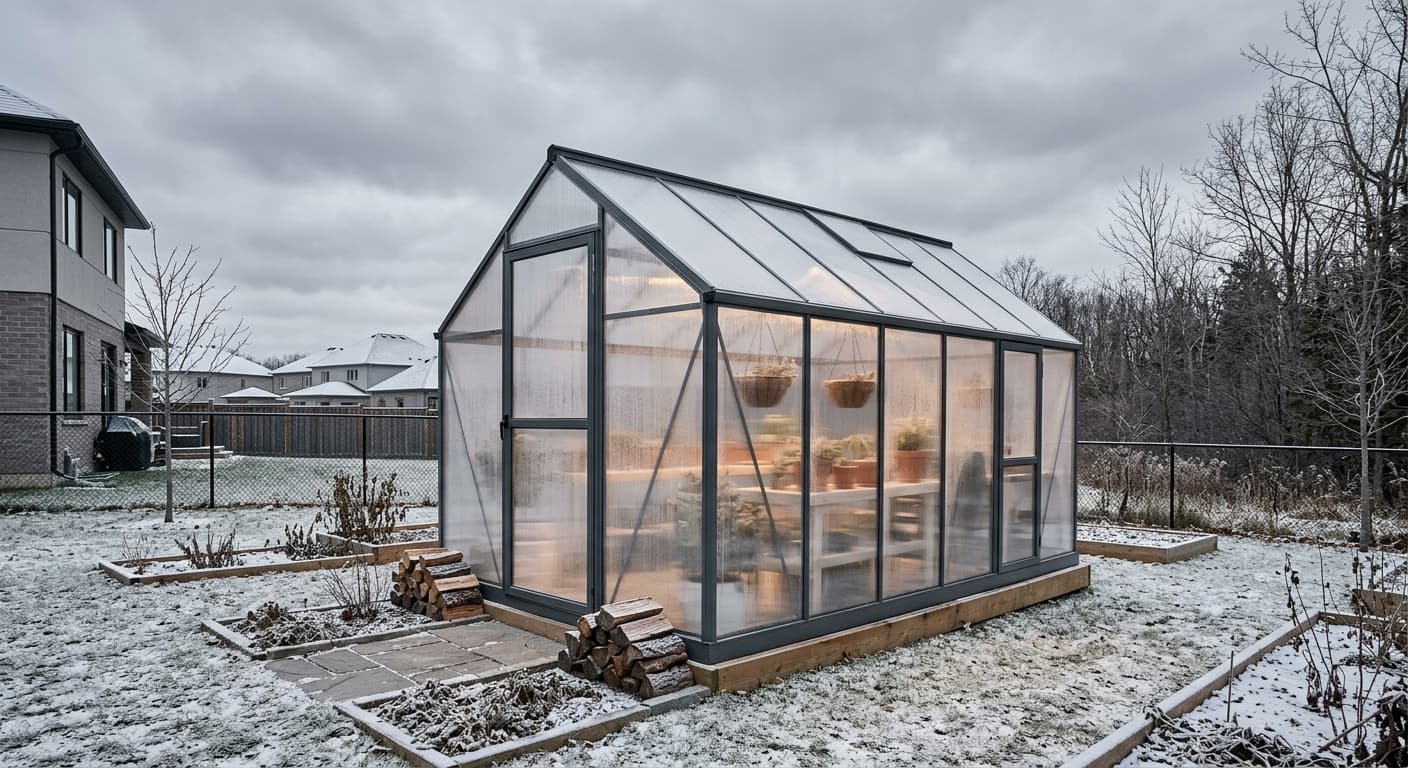
Polycarbonate is the clear winner here. Twin-wall and multi-wall polycarbonate panels trap air between layers, giving you insulation acrylic simply can't match, and they shrug off hail and falling branches that would shatter acrylic glazing. Growers extending their season into a Canadian winter should be looking at polycarbonate thickness and wall structure first, UV coating second.
Storm Windows, Patio & Pool Enclosures
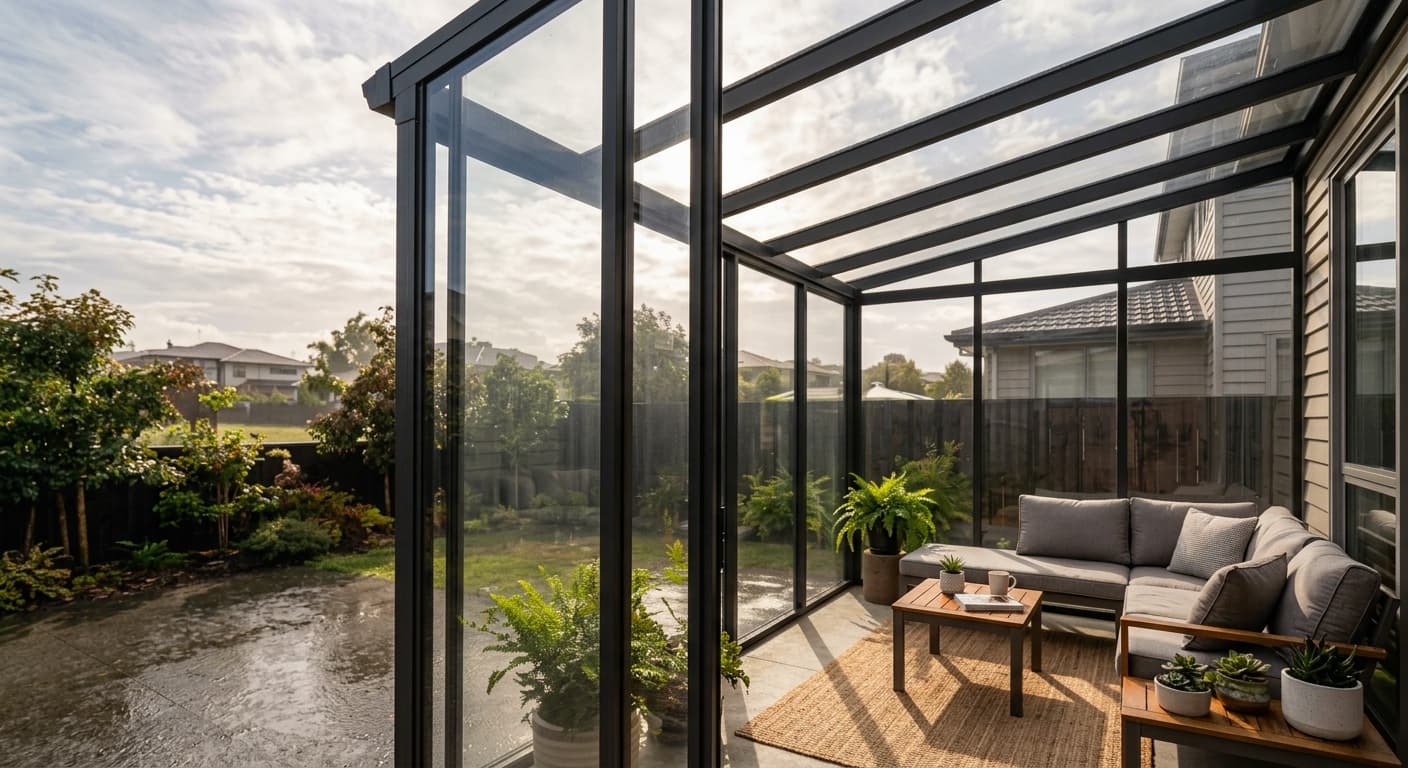
Polycarbonate again. It's rated for far higher impact resistance than acrylic (roughly 200x the impact strength of glass, versus acrylic's much smaller margin), which matters when you're glazing something exposed to wind-driven debris. Acrylic can craze or crack under sudden impact or thermal stress in ways polycarbonate resists.
Signage & Displays
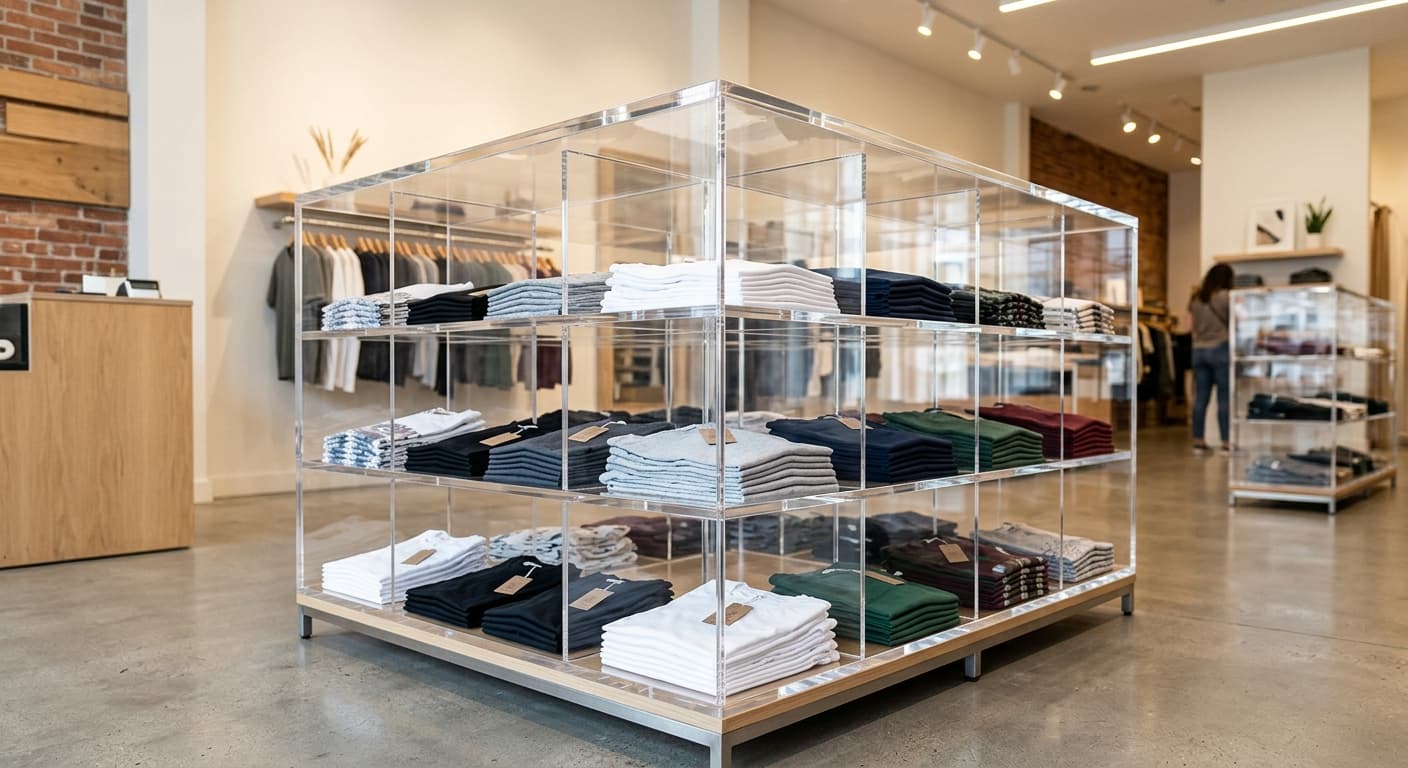
This is where acrylic usually wins. It has better optical clarity, takes a polished edge beautifully, and is easier to laser-cut and thermoform for retail displays, POP signage, and light boxes. Unless the sign is in a high-traffic public area where vandalism or impact is a real risk, acrylic gives you the premium look at a lower material cost.
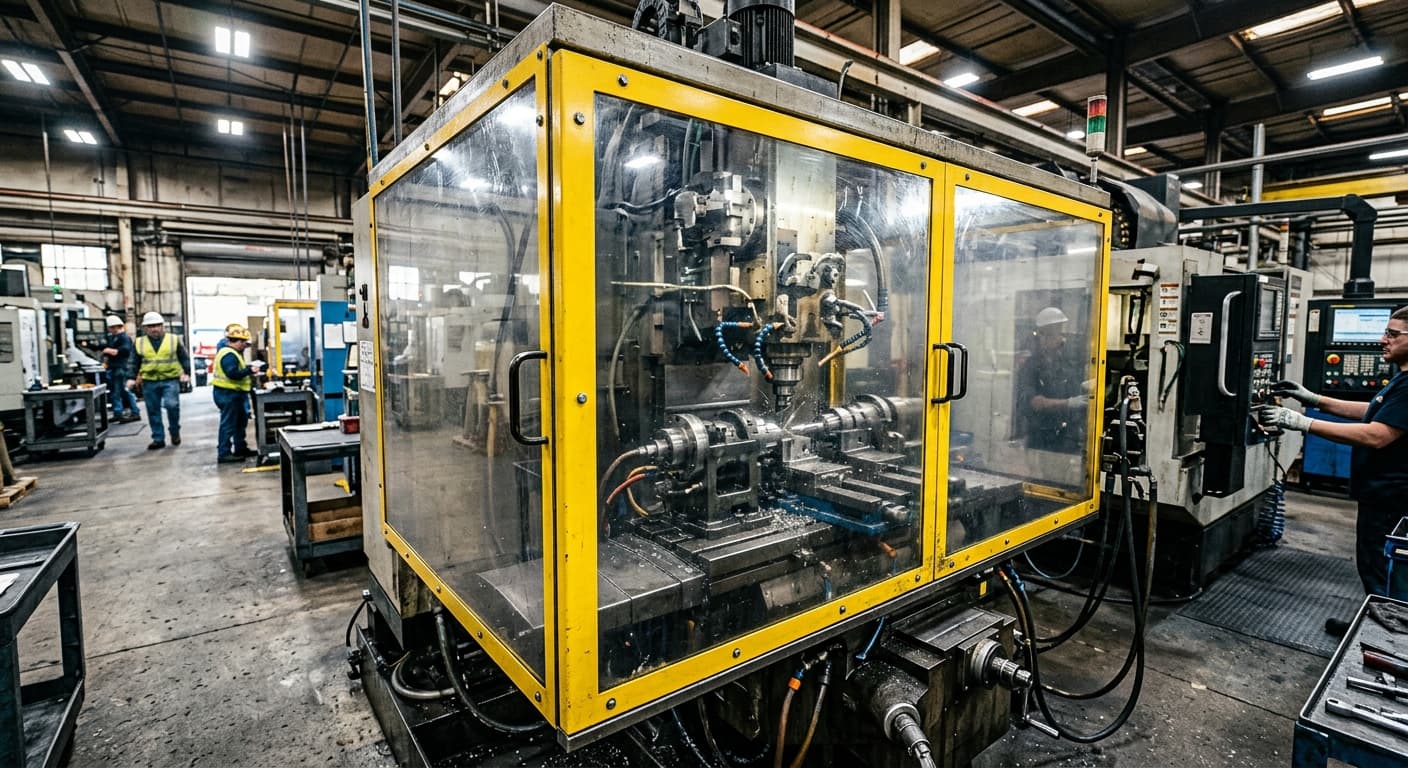
Machine Guards & Safety Barriers
Polycarbonate, without much debate. Its impact resistance is the entire point — it's the material of choice for safety glazing, machine guarding, and riot shields for a reason. Acrylic is more prone to shattering into sharp fragments under impact, which is the opposite of what you want in a safety application.
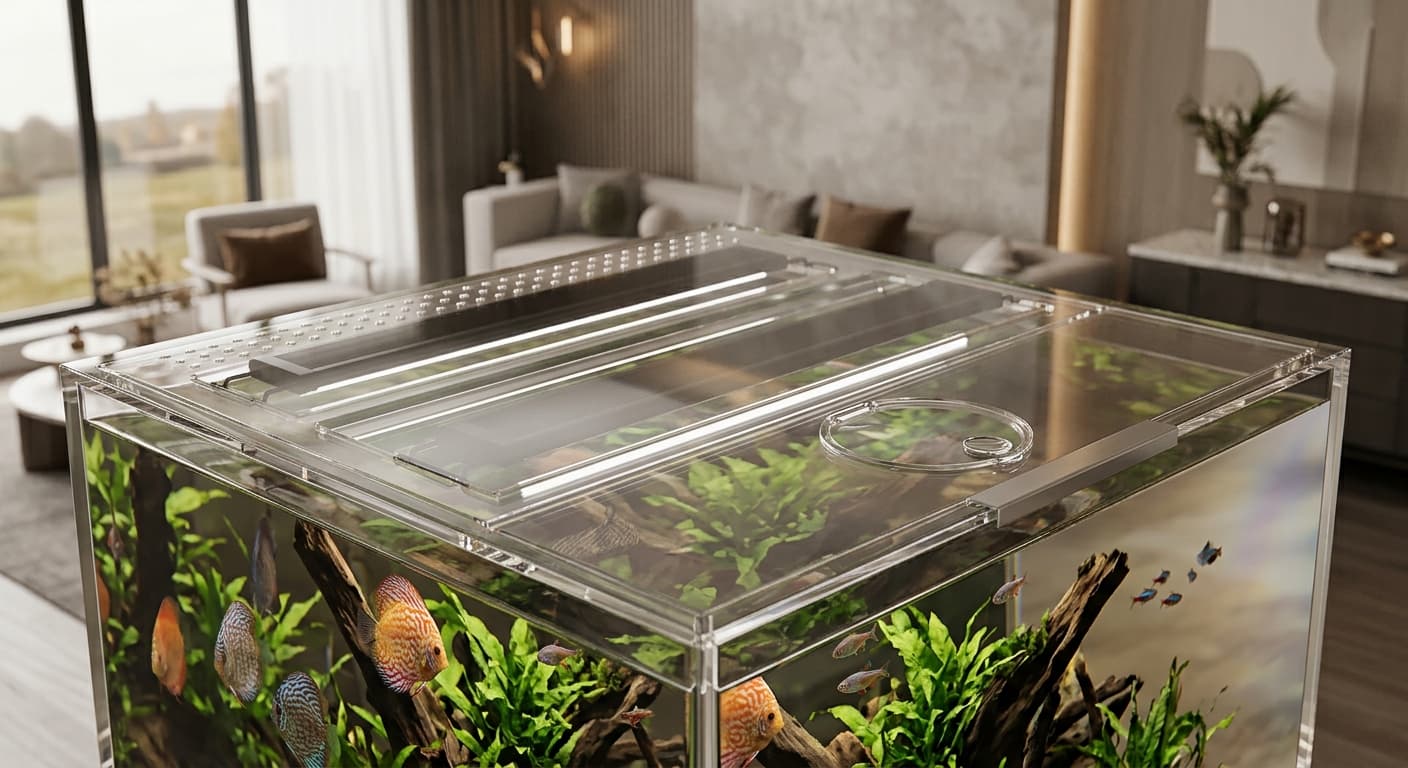
Aquariums & Tanks
Acrylic. It has better long-term optical clarity underwater and doesn't yellow the way some polycarbonate can with prolonged UV/water exposure unless properly coated. For large custom tanks, acrylic is also easier to solvent-weld into seamless panels.
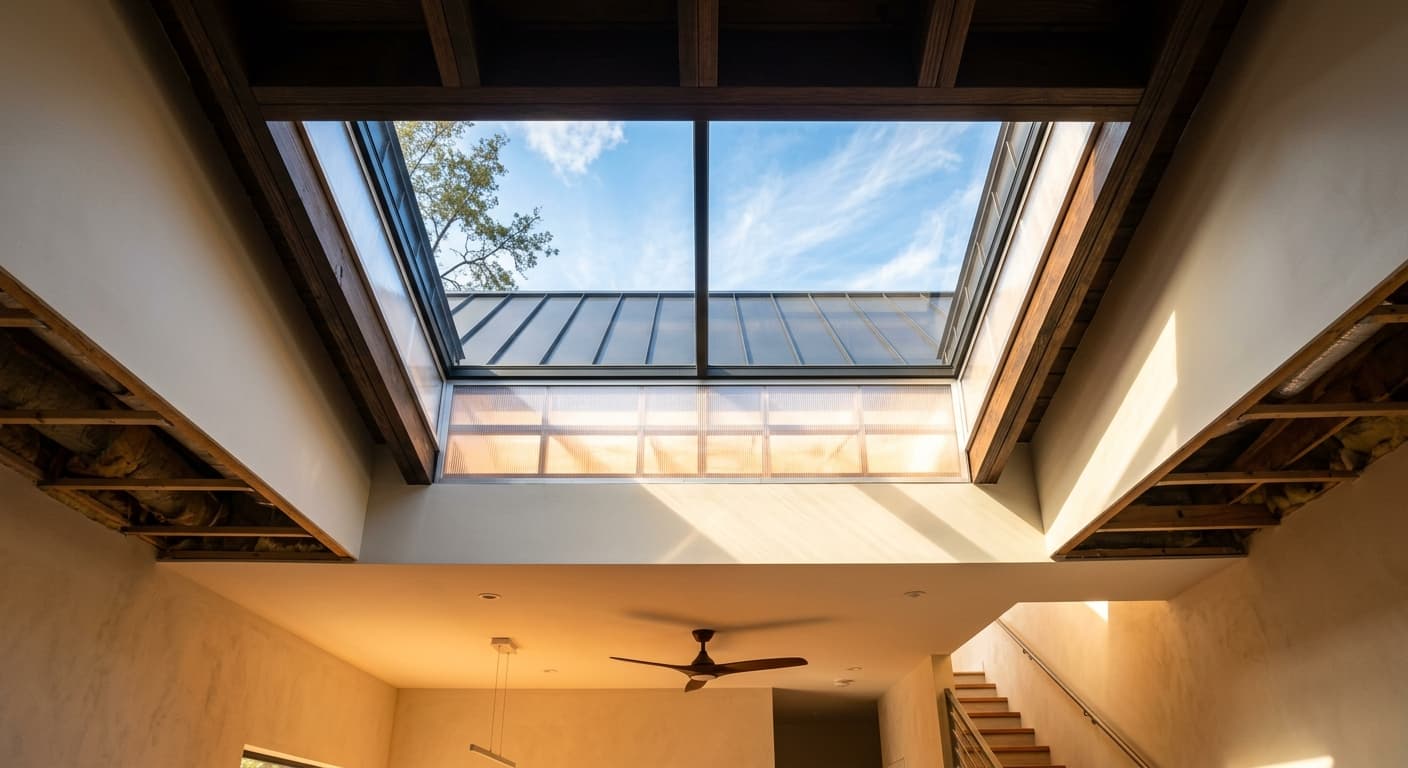
Skylights & Roofing
Polycarbonate. UV-stabilized polycarbonate sheet handles the constant sun and temperature swings of a roofline far better, and its impact resistance means a stray branch or hailstorm won't send shards down into a room below.
Side-by-Side Comparison
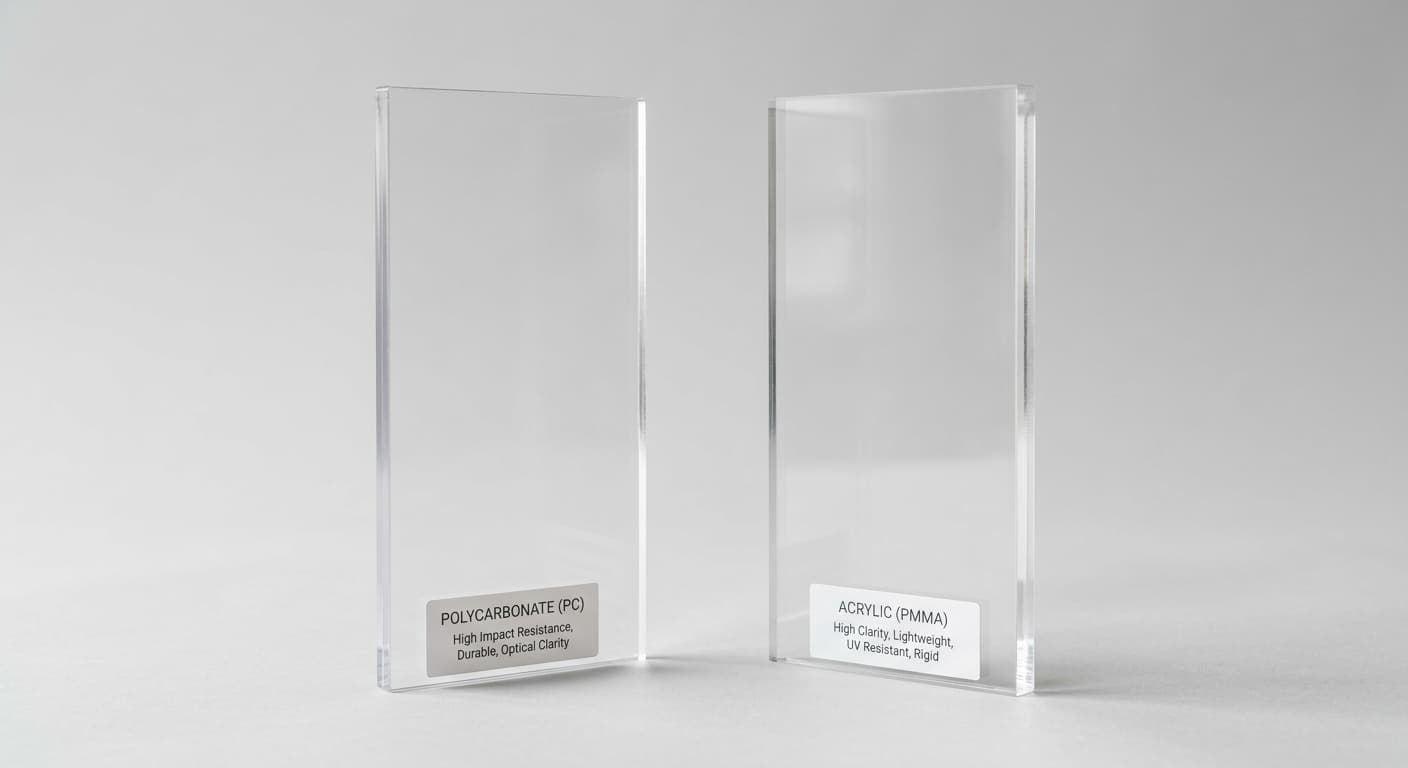
| Property | Polycarbonate | Acrylic |
|---|---|---|
| Impact resistance | Excellent (near-unbreakable) | Moderate (can shatter) |
| Optical clarity | Good | Excellent |
| UV/weather resistance | Very good (with coating) | Good |
| Scratch resistance | Lower (softer surface) | Higher |
| Machining/edge finish | Tougher, more tool wear | Polishes to a glass-like edge |
| Heat resistance | Higher | Lower |
| Typical cost | Higher | Lower |
| Best for | Outdoor, impact, safety | Indoor, display, optical |
A Note on Naming
You'll often see polycarbonate marketed under brand names like Lexan or Makrolon — these are just trademarked versions of the same base material. Our Poly-Sky sheet is the same engineering-grade polycarbonate without the third-party brand markup.
Choosing the Right Thickness
Both materials are available in various thicknesses. For polycarbonate, we recommend:
- 3mm:Light-duty applications — signage, interior use, small DIY projects
- 4.5mm:Our best seller — greenhouses, skylights, and patio covers that need to handle wind load and hail
- 6mm: Machine guards, structural glazing, and other safety-critical applications
- 9mm–12mm: Heavy-duty security glazing and high-impact commercial installations
Still Not Sure?
If your project sits outdoors, takes impact, or needs insulation — polycarbonate. If it's indoor, needs to look glass-clear, or gets machined into a finished display piece — acrylic. For custom sizing on either material, our cut-to-size calculator gives you an instant quote with shipping included.
Frequently Asked Questions
Is polycarbonate stronger than acrylic?
Yes. Polycarbonate has roughly 200 times the impact strength of glass, well beyond acrylic's impact resistance, which is why it's the standard choice for safety glazing, machine guards, and riot shields.
Which is clearer, polycarbonate or acrylic?
Acrylic has better optical clarity and polishes to a glass-like edge, which is why it's preferred for display cases, signage, and aquariums. Polycarbonate's clarity is good but slightly behind acrylic's.
Is polycarbonate or acrylic better for greenhouses?
Polycarbonate is the clear winner for greenhouses. Twin-wall and multi-wall panels trap insulating air between layers and resist hail and falling branches far better than acrylic glazing.
Is Poly-Sky the same as Lexan or Makrolon?
Yes. Lexan and Makrolon are trademarked brand names for polycarbonate sheet. Our Poly-Sky sheet is the same engineering-grade polycarbonate without the third-party brand markup.
Ready to Buy Polycarbonate Sheets?
Browse our selection of premium Poly-Sky polycarbonate sheets with fast shipping across Canada.